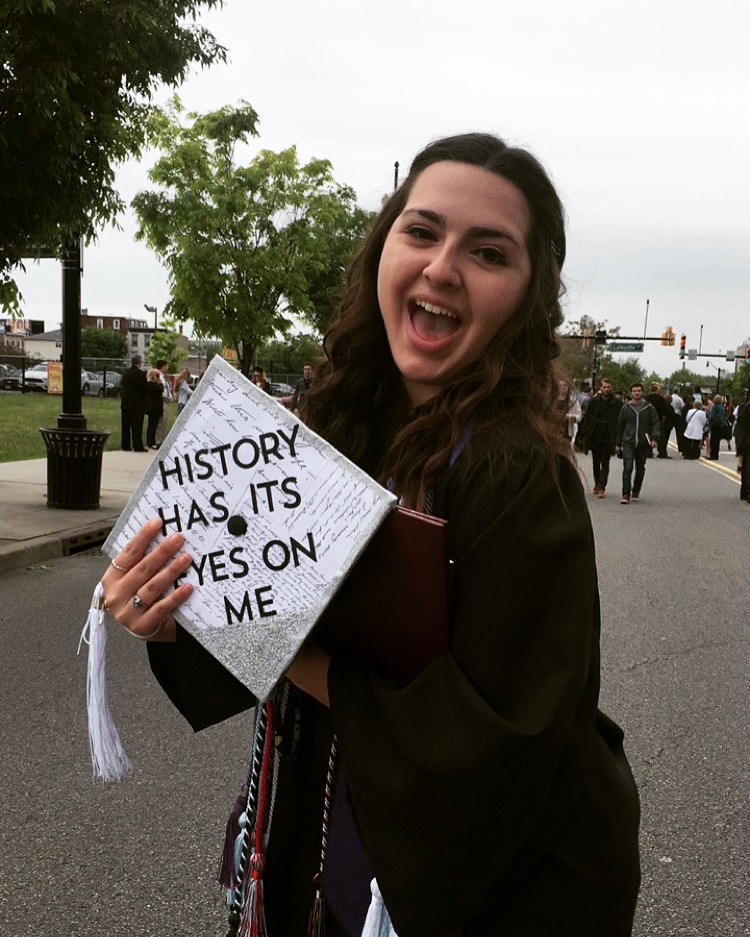
Two years ago I had the incredible opportunity to join the Jane Addams Papers Project. Thanks to a lot of amazing circumstances, I am happy to be with the project, even after graduating from Ramapo College this spring. On a typical day, I enter and transcribe Addams’ correspondence. I enter various people and do minor research on those I can find. One of the exciting projects that we are working on is the creation of National History Day guides. Only having just started working on them, I am glad to have the opportunity to combine my history skills with the lessons I have learned as I pursue my teaching certificate.
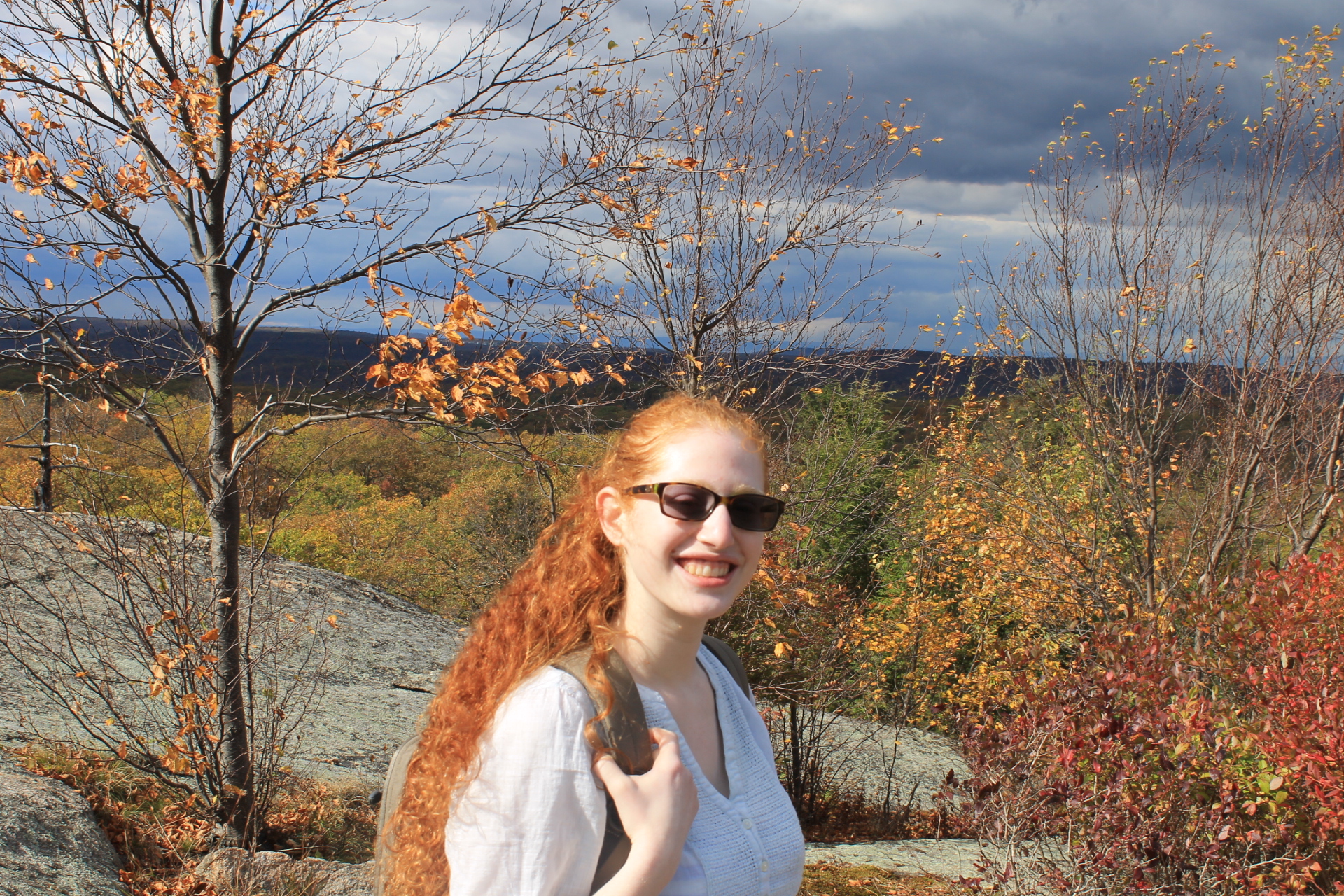
Renee Delora, ’17, graduated with a degree in history and is completing her teaching certificate
There is rarely a day that goes by that I don’t learn something new from Addams’s documents. I am currently working on documents from late 1915, which mostly focuses on the international peace movement during World War I, before the United States had entered the war. This is a topic that is rarely covered or taught in high school, so learning about it through the in-depth, step-by-step happenings. It is like learning about history in real time, as every telegram and letter is sent.
For the common American student in 2017, it is unlikely that they will learn much, if anything, about the Woman’s Peace Party. Maybe there are not enough resources and ways for teachers to access the information (although this project will change that). This was certainly the case during 1915. Every couple of days I enter a new document from students across the country asking Addams for materials on the peace movement or the Woman’s Peace Party because they cannot find the materials on their own.
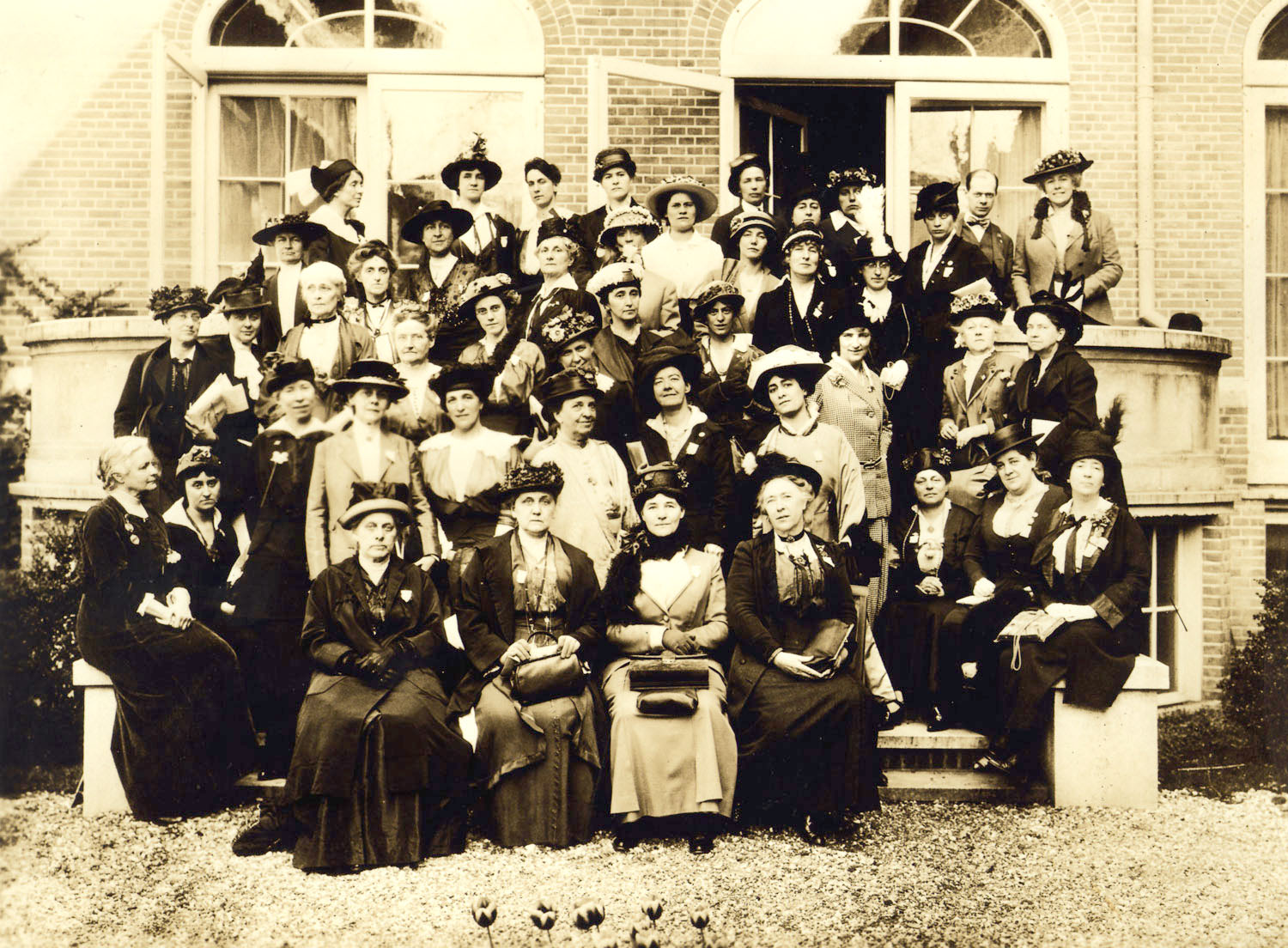
The delegation at Hague
Typically, I cannot find these students in Ancestry or other resources because they were teenagers when they wrote the letters. I was recently shocked when I did find one of these students. I typed her name into Google and an oral history of her life immediately popped up. This woman, Rosita Holdsworth, had lived to be 101 years old (1899-2000) and had received a good amount of news coverage in Texas when she was approaching her 100th birthday. To learn about her life, from an interview directly with, an interview that I might add is younger than I am, was not something I was expecting.
Not every person has such an unexpected story, but when I do find them, or a particularly interesting letter, it is a reminder that every person can have an impact and that everyone has a voice.
I’m a senior at Ramapo College of New Jersey, double majoring in psychology and literature with a concentration in creative writing. I transcribe documents as well as add in the new documents. A lot of the documents that I find while working are actually really interesting and fun to read, showing the full span of the types of people that Jane Addams was in contact with and communicating with. One document that made me laugh was an article from June 25, 1914, that read more like a long joke than an actual published article, but was in fact a story told by Jane when comparing criticisms about women’s right to vote with other problems that men seem to have. As is written in the article, “A tourist one Saturday evening in Glasglow entered a saloon for a lemonade and saw in huge letters behind the bar, ‘Remember the Sabbath.’
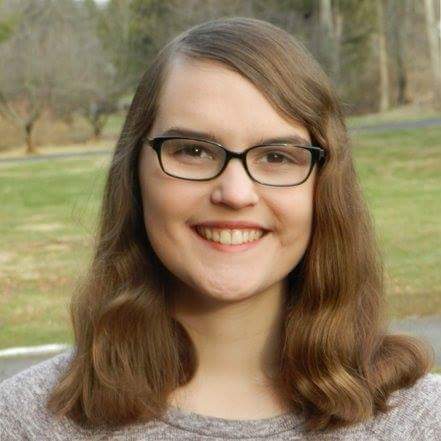
Samantha Risman, ’18
“Quaffling his lemonade, the tourist told the landlord that it gave him very great pleasure to see a man of his profession show such becoming reverence to the day of rest.
“‘Oh,’ said the landlord, ‘that ain’t my reason for putting that there sign up there. The idea is to remind my customers of the Sunday closing law, so’s they’ll bring their flasks to be filled on Saturday night.'”
Another that I liked was from A Peace Movement written by Philip Zenner on May 1, 1915, where he makes great points about people and their outlooks on the world and how much perspective can affect opinions. What he says in this document is, to me, a timeless lesson that people can still learn now which is why I remembered it after reading it. It is about men and war, and how some men are saying that they want Germany destroyed and the men to die and suffer, including their leader. Zenner writes, “ I often thought when speaking to some of these men that if they were on the other side, on the firing line, and felt the pressure of this fearful war in their own person, or in that of their families, they might have the same deep feeling, the same bitter hatred, but they would be very much more anxious for peace than they are now. It is much safer and more pleasant to stand and watch while others do the fighting.”
Write on Jane! Because she died in 1935, all Addams’ unpublished works are in the public domain.
One of the challenges that face 20th century editing projects, especially digital ones, is the need to obtain copyright permission. We are in the midst of researching and contacting heirs to the authors of letters in the Jane Addams Digital Edition. It is a complicated process, but one that is essential for historians, archivists and editors who publish materials online.
The Basics
Documents published before 1926 are in the public domain. That means newspaper articles, journal articles, books, and other materials.
Documents published after 1926 may be in public domain, but you will need to determine whether the copyright has been renewed.
Unpublished documents are in public domain if the author died more than 70 years ago. If the author was a company, they are in public domain if the document was written more than 120 years ago. That means letters, unpublished reports, articles and speeches.
The Numbers
We have identified over 4,500 individuals and 600 organizations thus far in our work for the digital edition. Not all of these people wrote letters — some received the letter and others were merely mentioned in it. We do not need to clear permission for those individuals and organizations.
The Process
The Jane Addams Digital Edition tracks all mentions of people in documents. As our editorial assistants enter each document, they create links to the people already in the edition. For example, in a letter written to Jane Addams by Vida Dutton Scudder, we might record eight personal names — the author (Scudder), the recipient (Addams) and the names of four people mentioned.
If one or more of these people are new to the digital edition, the editorial assistant creates a new record for that person. While we don’t do a lot of research at this point on that person, we do try to secure birth and death dates. This year, the magic number is 1947. If our person died before 1947, we can mark their rights as public domain. Any documents written by them are all set for publication.
If, however, we cannot locate a death date, or we locate a date after 1947, we need to conduct some research. Editorial assistants flag the person’s record as copyright permission “pending.” We do this for all new names, whether or not they are authors.
As we move toward proofreading metadata and transcriptions for publication, we generate a list of all the documents in a given year that are not ready to publish. When we were not able to locate a death date, the editor will make another attempt to find it, and hopefully clear the documents. We are then left with a list of authors that are not in the public domain.
Our copyright research squad consists of two people, researcher Ellen Skerrett and project assistant Nina Schulze get down to the nitty gritty of copyright research.
Research
There are a number of ways to try to locate the copyright holder of a deceased author.
If the person’s papers are stored at an archive, you can contact them. Often times they will have some information about the person who donated the papers, or have contact with family members. A good site to search for archival holdings is Archive Grid.
If the person is a published author, you may be able to contact their publisher, who may know who controls the copyright on the book, or who gets royalty payments. That can lead you to the next link in the chain.
Otherwise, we hope to find the children, grandchildren, great-grandchildren, or more distant relatives. Many people never dedicated their literary rights in a will, but they are assumed to fall to the heirs.
We use the genealogy site Ancestry.com and the digital newspaper site Newspaper.com, among other resources, to try to locate heirs. We look for the names of children in the available U.S. Census records, newspaper articles and obituaries, and other web-based resources. Obituaries are an invaluable resource because they update the names, especially of daughters who might have married, and in many cases provide the city or state where those survivors. We then use internet directories and phone books to try to locate current addresses.
Some people are easier to find than others. People with common surnames can be all but impossible, especially those who lived in large cities. When a person left no children, we try to go up the family tree. looking for a brother or sister, to find nephews, nieces, or cousins. It is usually easier to locate famous people’s families — the chances are better of finding a long and detailed obituary.
We then write a letter, hoping that we have gotten the right person, and wait for a result. These letters are fun to receive, often enclosing a letter written by an ancestor to Jane Addams that opens up a new story a family’s history. Family members are often amazed and intrigued to know how we were able to find them.
Good faith efforts
We are allowed to publish without securing copyright if we make a good faith effort to locating the heirs. For us, this means following all leads that we can find, tracking all known children. One of the ways that we keep looking after we have exhausted all leads is to post the names of people we still seek on our website. The hope is that you might Google an ancestor and find the project’s site, even if we can’t find you!
If you think your (great) grandmother knew Jane Addams….
We are still searching for more Jane Addams letters. If your family history involves an late 19th or early 20th century social reformer, peace activist, or settlement worker, or if your family had roots in Chicago or worked for woman suffrage, we would love to hear from you. We can check to see whether we have any letters in the archives we have searched, and would be delighted to include any letters your family might still hold.
As someone that has been studying history for some time now, I find that working for the Jane Addams Papers Project as a student editorial assistant is a great opportunity. It allows me to both learn more about a time period of history that I was at first not really familiar with and use my history degree in a professional environment. I have always wanted to work for a history research project, and now I have the great pleasure to work for one.
At the project, I do initial research on Addams’s unpublished and published work and speeches. For the initial research, I look at the original microfilm scans of said documents and begin to enter them into our database. I ensure that the document is correctly entered by the date it was published or the speech was given, as well as make sure all the names of people and organizations are entered into the database, if not already there. The interesting part about this task at the project is that I get to research old newspaper articles to find out who these people and organizations that Addams mentions are. I really get the chance to use all the research training I learned while studying history. This part of my job gives me a chance to really understand and learn more about some of the important events and movements that Jane Addams was a part of. Doing the research on all these people and organizations from the past can be really interesting; the things that I get to learn about them is just fascinating. Sometimes they are kind of funny.
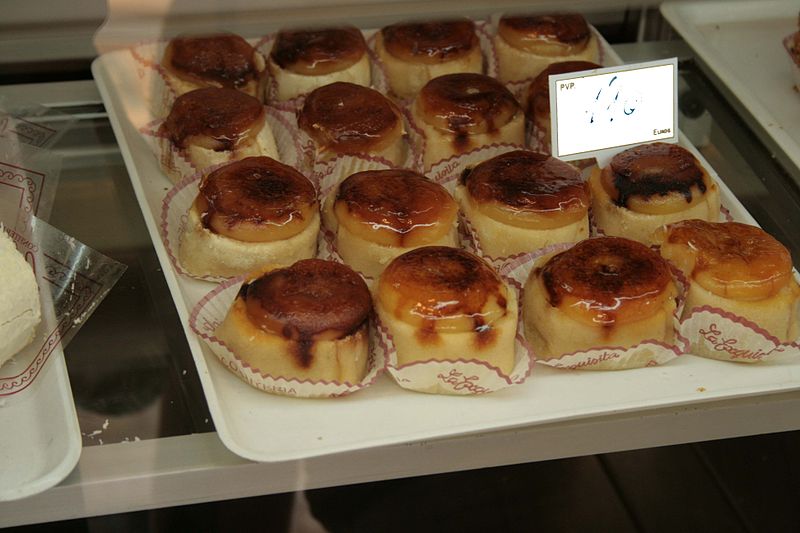
Pionono, the pastry
There is one instance when I was looking up information on one of the popes that Jane talks about in one of her speeches. At first I did not know it was a pope I was looking up; the only name I had to go with was “Pionono,” which was his nickname at the time. The interesting thing about this was that there is a popular pastry with the same name. For, what I think was ten minutes, I was searching around Google trying to find out who this person was, and every search the top result and the first couple of pages was this pastry! I was very confused by this; Jane couldn’t have been talking about a pastry in this speech! Confused by only finding pastries, I decided to click on one of the links about this and found out that it was named after Pope Pius IX. It was at that moment that I knew I found the right person; Jane was clearly talking about a pope in context to what she was referencing.
This is just one of the funny moments that happens when trying to find people that Addams talks and writes about. I wouldn’t have known who she was talking about, people at the time would have. I get to learn more things about a time period that I didn’t know about. Though I still don’t know why there is a pastry named after a pope.
When I first heard the Jane Addams Papers Project had come to Ramapo, I was beginning my sophomore year. I had just been thinking about research opportunities for history majors, so it seemed almost like fate when I saw posters around campus advertising for the JAPP interest meeting. Next thing I knew, I was part of the JAPP team as a research assistant and still am part of it as I begin my senior year.
Sara Catherine Lichon is a senior history major and international studies minor, working at the JAPP as a research assistant.
I’ve always had a passion for research and the past, so I knew when I enrolled at Ramapo that I wanted to be a history major. As I advanced in my academic career, I added a minor in international studies, developing an interest in how the past has led to current events. For both my history and international studies classes, I’ve researched international current events and the history behind them, and as a member of Ramapo’s Honors Program, I’ve attended numerous regional and national conferences to present my research. This past June, I published a paper titled “Identity Crisis: How the Outcome of the Cold War affects our Understanding of the Crisis in Ukraine” in the undergraduate research journal The Augsburg Honors Review. Currently, I am working on my Honors senior thesis, focusing on Scotland’s reaction to Brexit and how the historic relationship between Scotland and the United Kingdom contributed to this reaction. To gain a better understanding of Scotland’s culture and history, I studied abroad in Edinburgh over the summer, taking a Scottish History course and exploring the country from the cities in the Lowlands to the small towns in the Highlands. I even climbed Ben Vrackie, a mountain 2,759 feet above sea level, and visited Loch Ness during my travels!
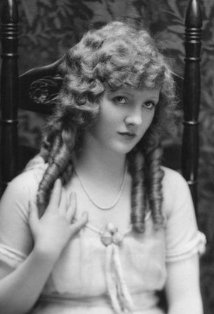
Mary Miles Minter, an actress who was a suspect in the unsolved murder of her lover in 1922.
As a lover of research, when I heard about the JAPP, I was immediately drawn to it. I began at the project by transcribing documents but soon realized that I preferred to research the people who made appearances in Jane Addams’s life – and I’ve been researching them ever since! I love uncovering the stories of their lives, and I especially love the challenge of digging for information on people who weren’t well-known. It’s very exciting when I can find information, and I feel like a detective! Sometimes I come across people with fascinating lives; recently I just wrote the bio for actress Mary Miles Minter, who was a suspect in the unsolved murder of her lover in 1922. I have even found myself writing the bios of people I’ve come across before, such as Victor Moore, an actor who starred in one of my favorite movies, It Happened on 5th Avenue. The stories of those who came before us are something that I can never get enough of, and at the JAPP I’m able to gather and share the stories of so many people, writing them into a narrative that will be accessible for years to come.
Outside of history and international studies, I have a passion for music, theater, and the arts. I sing, play ukulele, and am a member and business manager of Orchidstra, a barbershop quartet. I am also a Global Roadrunner, a member of Ramapo’s French Club, and in Phi Alpha Theta (history honors society), Sigma Iota Rho (international studies honors society), and Alpha Lambda Delta (first-year honors society). In addition, I enjoy photography, hiking, and spending time in the great outdoors. I spent two summers interning at the Washington Township (Morris County) Municipal Building, and after graduation, I plan to pursue a career in government. But while still at Ramapo, I continue to research and write the stories of various historic people, and I am loving my role on the JAPP team.
I’m a junior literature major with a creative writing concentration, and I work as research assistant at the Jane Addams Papers Project. My job mainly consists of editing the biographies in the database.
Each person mentioned in any of the documents or letters gets a biography. All of the finished biographies then get sent to me. I go through and make sure all the information on the person is correct. Sometimes people have missing information like marriage dates, death dates or various personal facts. The most tedious task is finding and fixing citations for photographs and links. It’s a fun puzzle trying to format everything and make it perfect.
Crystal Eastman
However, there are imperfections that I do enjoy. One of my favorite people that I’ve researched was named Western Starr. His name is was struck me as interesting first, but his life was also intriguing. Starr was a lawyer trained at Cornell and Columbia Law School who also worked in a real estate business in Chicago. He later abandoned the law and moved to Maryland to become a farmer. There’s no information on him after 1920s. He’s such a mystery and I love it.
Another person I found to be interesting was Crystal Eastman. As a lover of feminism and history, I was overjoyed to research this suffragette. Eastman was a lawyer, feminist and journalist who was considered a leader in the women’s suffrage movement. She also co-founded and co-edited the radical arts and politics magazine The Liberator.
Besides being a socialist, Eastman was part of the anti-militarist movement. She was so progressive, and it was very empowering to read about Eastman’s life. I truly admire all of the efforts and the work that she did in her time.
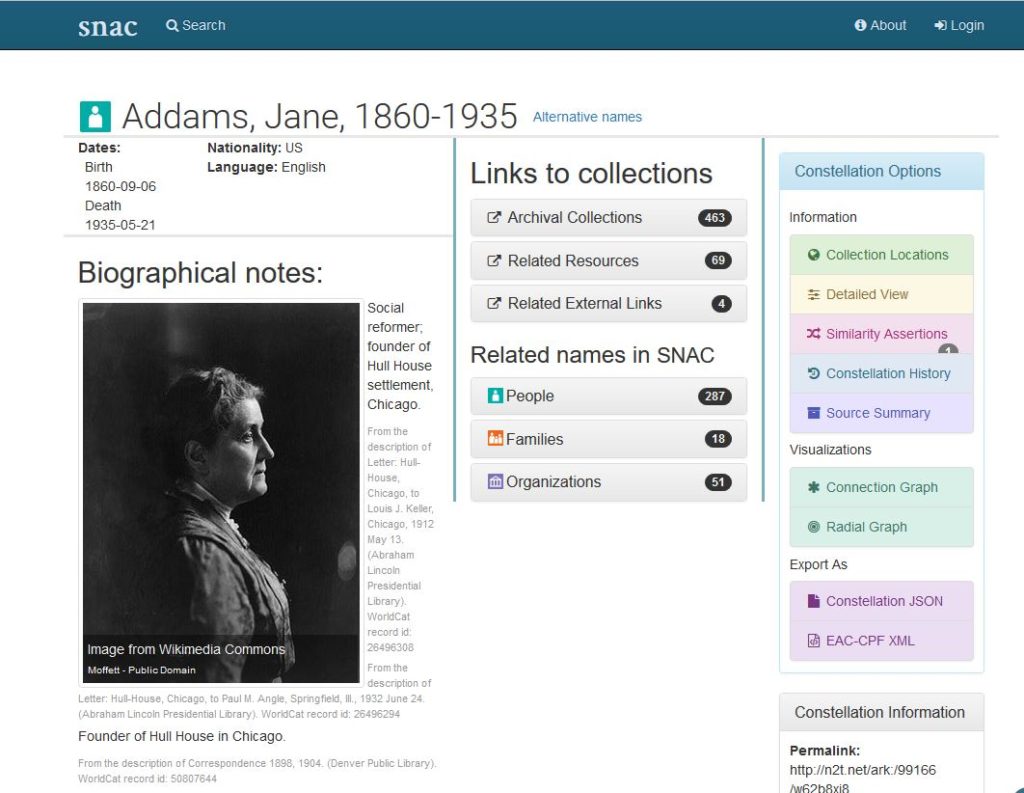
I am pleased to announce that the Jane Addams Papers will be joining the Social Networks and Archival Context (SNAC) Cooperative in its final phase of work. SNAC has been hosted by the University of Virginia’s Institute for Advanced Technology in the Humanities and the University Library and funded by the National Endowment for the Humanities (2010-2012) and the Andrew Mellon Foundation (2012-2017). The Cooperative seeks to improve the economy and quality of archival processing and description, and build a global social-document network using both computational methods and human curation.
I first came across the SNAC web portal when doing research for biographies for our digital edition. SNAC provides biographical information, links to archival collections, and to related people, families and organizations.
I decided that we would make SNAC one of our go-to resources for our biographies. We link all our biographies to the SNAC record to enable our researchers to locate an ever expanding list of resources on that person. SNAC imports data from finding aids, Wikipedia entries, and other sources. As we made links between our biographies and theirs, I started to wonder whether we might be able to contribute materials as well. I reached out to Daniel Pitti, the project director.
The Jane Addams Papers is not an archive, but an edition, and I wasn’t exactly certain how what we we would interact with SNAC. With only two years of work under our belts, we have identified over 4,500 individuals, who wrote letters to Jane Addams, received letters from her, or were mentioned in the documents. Our individuals range from historical figures, like Plato and Wat Tyler, to Chicago police George Shippy and John McWeeny. We have over 100 suffrage activists, including Catherine Karaveloff, Carrie Chapman Catt, and Zofia Golińska-Daszyńska. There are philosophers, criminals, homemakers, and union leaders, and over 200 social workers and welfare activists. About 60% of the names we have linked thus far are men and 40% are women.
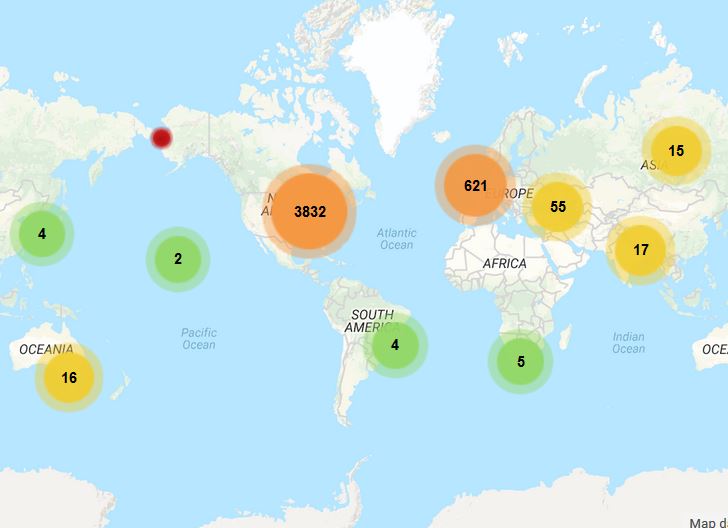
The people who come up in Addams’ documents are primarily American, but we have increasing numbers associated with Europe and Asia as Addams broadened her reach and networks. The screen shot below of our map view of individuals will change as we deal with more of Addams’s international peace work.
We are looking forward to seeing how SNAC can work with data coming from our Omeka-based digital edition. We will not be the only editing project joining at this time, the Walt Whitman Archive is also coming on board.
Since the Middle Ages, female servants referred to as maids have been serving Masters of prestigious wealth and status. In the past, maidens, who were young, unmarried women, had to dedicate service to their Masters for life and did not marry; these women did not expect wages as long as they received food, clothing, and a home to sleep in. As the working and living conditions of house maids have evolved, these domestic workers now have families of their own to serve. Women needed to earn enough to put food on the table or pay that month’s rent. Forming a lasting union where housekeepers can advocate for good pay, fair hours, and reasonable employers was often a figment of the imagination in the past and even now. House maids are still victims of long work hours with underpay.
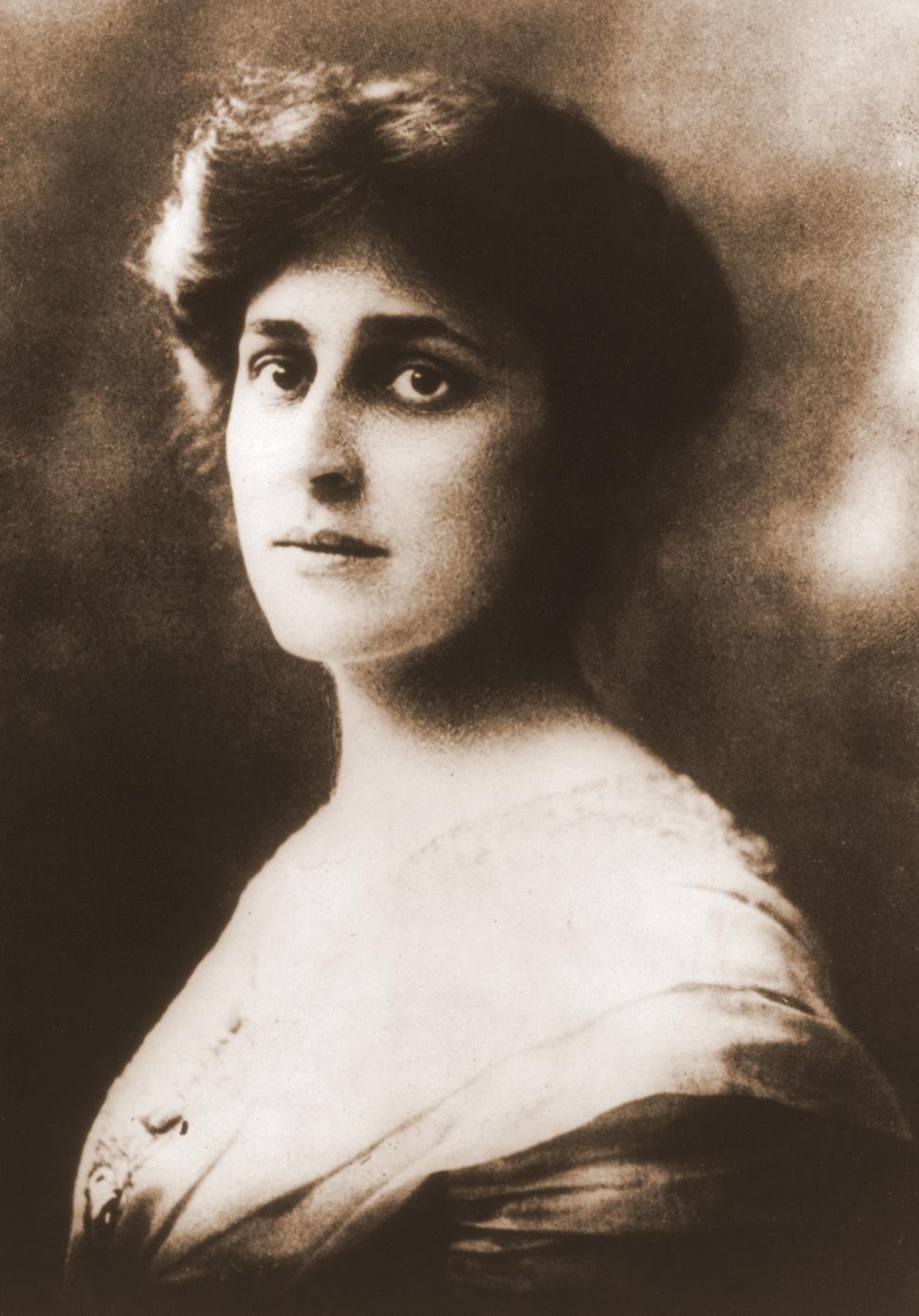
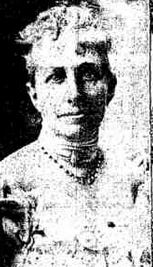
Ellen Henrotin
Ellen Martin Henrotin, an active social reformer, tried to unite servant girls in 1901, believing that a union would provide better conditions for not only maids but also their employers as well. Jane Addams supported this movement and agreed that maids should come to know each other through organization. In fact, Addams advocated that maids should have another home to return to at night where they could be surrounded by friends. She told this story,
“I have just received a letter from a clever young woman I know, telling me that she wanted to attend a university this fall and get a Ph. D. She would be glad to do housework as a means to the Ph. D. end, but she could not live with the family by whom she would be employed.”
However, the lack of strategy in organizing these domestic workers is why maids have not yet earned a national union today. Each maid’s needs and working conditions are diverse, and it’s difficult for them to band together for a specific, common goal. Housekeeping does not have a formal hiring process because job opportunities come by word-of-mouth, and wages are set verbally.
Mexico saw progress when The National Union of Domestic Workers applied for recognition in 2015. The group targeted assistance toward victims of discrimination and violence in their employer’s homes. Yet, exclusion of groups from unions does not bring justice to everyone and leaves women angry.
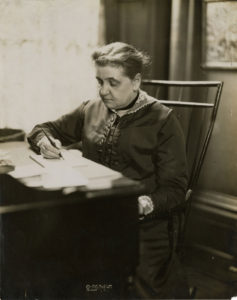
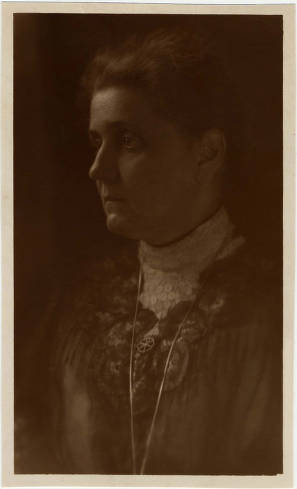
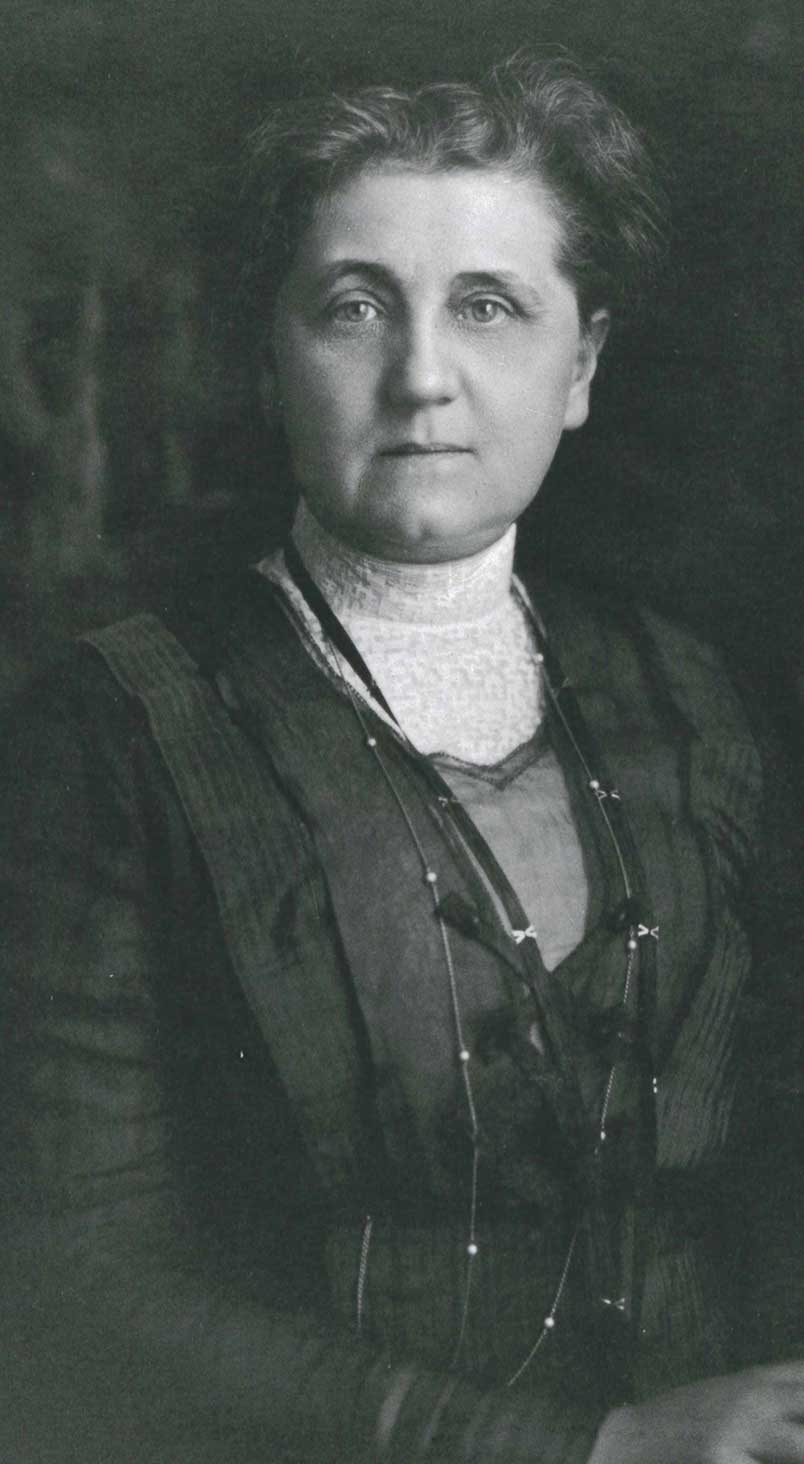
Jane Addams, circa 1900
When Sophie Becker organized the Working Women’s Association of North America in 1901, scrub women and laundresses were angry for not being asked to join. They cried, “I am just as good as you are.”
While maids have yet to band together for a national union, it is still important for women to fight for fair working conditions. As Jane Addams wrote,
“The number is increasing of those optimists in this country who are prone to say that everything is right and will come out right in the end. But we who are working for the improvement of the condition of wage-earners, are inclined to think that the conditions of women need improvement and that their condition will be bettered only as we concentrate intelligent thought upon the subject and are active toward that end.”
Sources: Jennings, Karla. “The History of Maids.” Hankering for History, 12 Aug. 2013, http://hankeringforhistory.com/the-history-of-maids/. Accessed 22 Aug. 2017; “In Trouble Already.” The Topeka Daily Capital, 25 Aug. 1901, p. 11; “Union as Aid to Maid.” The Inter Ocean, 23 Aug. 1901, p. 2; “Women Will Organize Women Wage Earners.” Oakland Tribune, March 27, 1905, p. 7.
This spring, the Jane Addams Papers Project was delighted to help fund two eighth grade students, Lucy Roberts and Lindsey Alexander, from Chamblee Middle School in Georgia present their ten-minute performance on Jane Addams at the National History Day competition. The students advanced through their regional and state competitions and needed some help funding their trip to Maryland and the national contest. When preparing for the competition, they relied on the Jane Addams Digital Edition to provide primary source materials.
“National History Day requires projects to have a variety of sources, both primary and secondary,” said Lucy Roberts, who portrayed Jane Addams in the performance. “The Jane Addams Papers was so organized and helpful to help with primary sources. As far as the actual sources themselves, we used her letters and speeches to learn about her thoughts and political views.” The girls used excerpts from Addams’s autobiographies, which they found on the digital edition, as well as her opinions on immigration and labor to make their performance more historically accurate.
“What I think was the most interesting thing about Addams was her work as the city’s garbage collector. To me that was not only pretty surprising but admirable as well,” added Lucy.
National History Day invites students between sixth and twelfth grade to research a historical topic based on an annual theme and present their findings in a creative style manner as documentaries, research papers, exhibits, performances, or websites. With this year’s theme called “Taking a Stand in History,” Lucy and Lindsey were assigned to research Addams in class.
Lucy and Lindsey’s performance, “Jane Addams: Taking a Stand,” opened at Addams’s funeral in Hull-House in 1935. Lindsey, portraying a resident, passionately recited a eulogy about Addams and her life. Then, the play took the audience back in time by dramatically portraying Addams’s most significant accomplishments, such as becoming valedictorian at Rockford Seminary, co-founding the Hull-House, opposing World War I, and winning the Nobel Peace Prize. As Addams, Lucy used direct quotes from Addams’s letters and speeches, and Lindsey acted as a variety of Addams’s associates, such as Ellen Gates Starr, a Chicago Tribune reporter, and a poor immigrant, providing context for Addams’ views.
“Performing was much more difficult than I expected,” said Lucy. “There are a billion things you need to think about: facing the audience, speaking clearly, remembering your lines, blocking, props, etc. That’s why I enjoyed it so much. Not only do I love a challenge, but I got to see an idea turn into something tangible and real.”
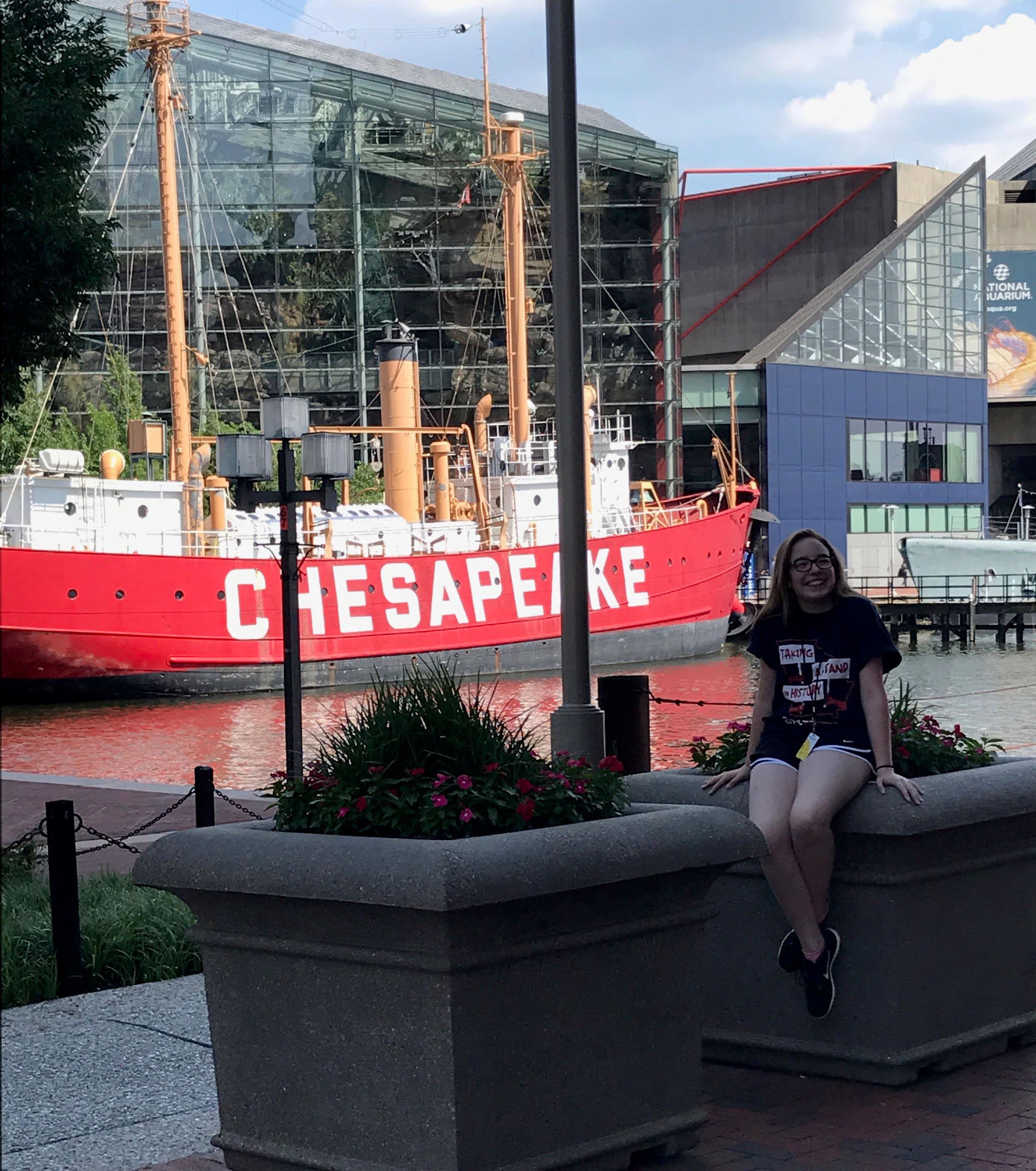
Lucy enjoying time in Baltimore
Lucy and Lindsey did not win the national award, but thoroughly enjoyed the experience and their sightseeing in Baltimore. They visited Inner Harbor, the National Aquarium, and Hard Rock Café. “I really enjoyed that because the hard work was over and we could finally relax and enjoy the city,” said Lucy.
We are glad to have been able to help the girls have such a rewarding experience and congratulate them on their success.
The theme for 2018 is: Conflict and Compromise in History.
We are delighted to announce that the New Jersey Council for the Humanities has awarded the Jane Addams Papers a grant of $11,400 for our “Expanding Audience Participation with the Jane Addams Papers” project.
This project aims to encourage use of the digital edition among students, teachers, and the general public. We will build a crowdsourcing site where members of the public can engage with documents, create transcriptions, and rate the documents to build a new search option to highlights the most useful documents. We also want to encourage students to work with the digital edition, and will create guides for high-school and grammar school students working on National History Day projects and school projects. These tutorials will introduce topics, provide suggestions for the best texts and search strategies for that topic, and suggest sources for further research.
We will be collaborating with students in Ramapo’s Teacher Education program, with the New Jersey National History Day coordinators, and local middle and high school teachers to develop these new resources on our digital edition site.
The Jane Addams Papers’ mission is to digitize and describe the documents, and create historical context for them by identifying the people, organizations, and events mentioned in the texts. We have received funding from Ramapo College, the National Historical Publications and Records Commission, the National Endowment for the Humanities, the Gladys Krieble Delmas Foundation, and the Ruth McCormick Tankersley Charitable Trust to undertake this work. But we want to do more than build a site and hope that people will use it. Scholars and advanced students will find our site, but this outreach project will advance our mission by reaching out to students, teachers and the general public.
We think the best way to do that is to provide crowdsourcing opportunities and offer guides for using the documents in the classroom. National History Day is a very popular program that challenges students in middle and high school to interpret history through one of twelve general themes. For this year’s theme “Conflict and Compromise in History,” we advised students to look at Addams’ opposition to World War I, or her decision to open the Hull-House settlement, pointing them to the best documents and providing them with context. We will continue to expand the guides by adding more suggestions as we mount more material on the site. We also want to create topic guides for other issues, such as child labor, woman suffrage, and recreation.
We are looking forward to getting started on this exciting collaboration and will keep you posted on the results.
 We are delighted to announce that the